Executive Summary
Manufacturing aluminium pergolas in China requires strict structural validation, coating durability assessment, and production process auditing to ensure long-term outdoor performance.
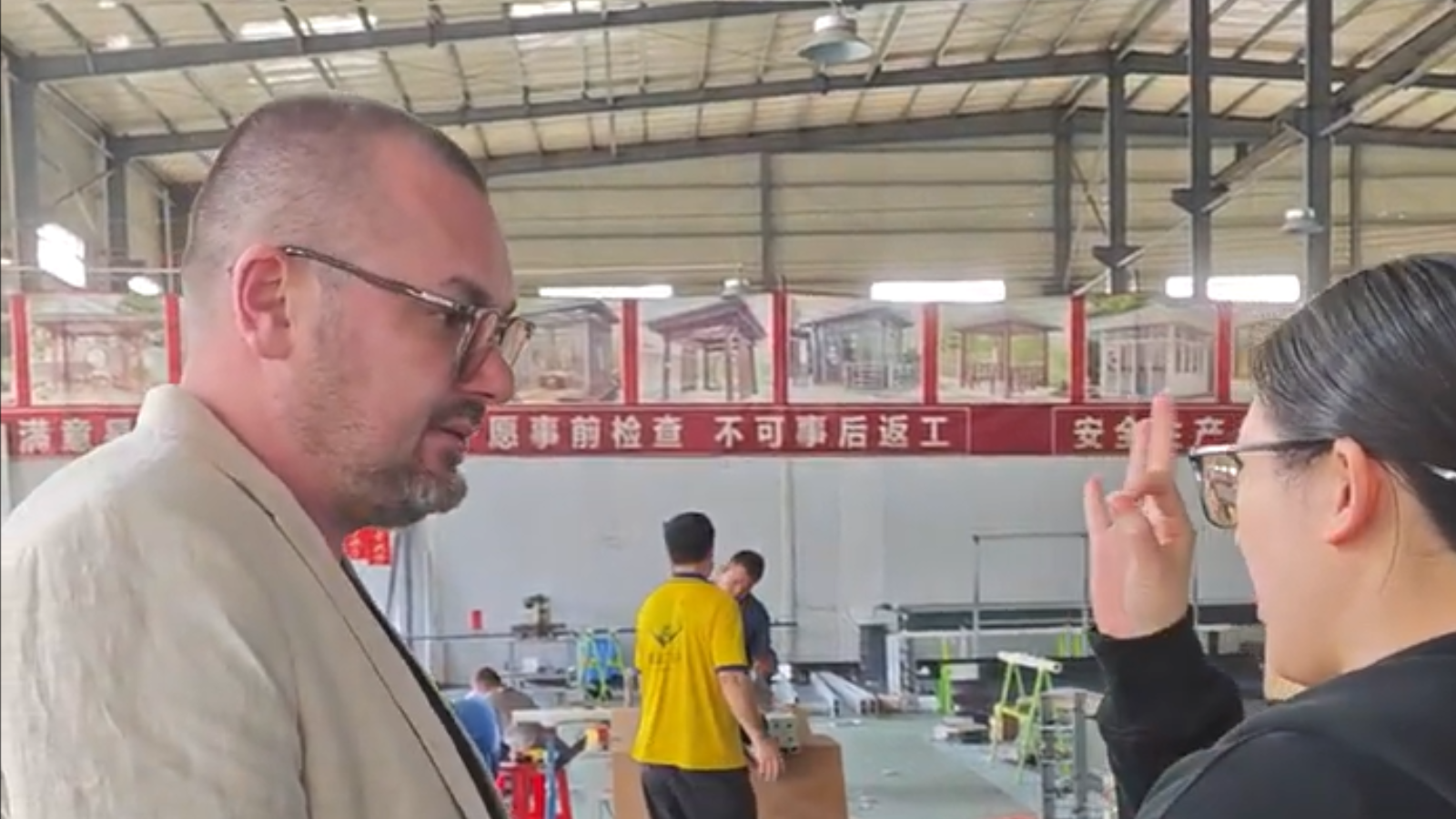
Mila Sourcing conducted an on-site factory audit for a European outdoor living brand preparing to scale distribution. Through structured supplier verification, aluminium thickness validation, powder coating inspection, and load-bearing assessment, key production risks were identified and corrected before mass production.
Client Background
A European outdoor solutions brand sourcing aluminium pergolas from China required independent factory verification before committing to large container volumes. The product line included motorised aluminium pergolas, manual adjustable louver pergolas, and outdoor terrace shade systems.
Because pergolas are exposed to wind load, moisture, and UV exposure, structural or coating defects could result in frame deformation, coating corrosion, motor system failure, installation misalignment, and warranty claims.
Key risks identified
- Inconsistent aluminium wall thickness across structural beams
- Powder coating unevenness on high-contact edges
- No standardised torque testing for joint assemblies
- Limited wind load simulation testing
- Weak incoming raw material inspection procedures
Without intervention, these issues could have resulted in premature corrosion and structural instability.
Inspection framework
1. Business & compliance verification
- Chinese business licence validation
- Export registration review
- Material sourcing traceability check
- Supplier subcontractor mapping
2. Structural aluminium validation
Wall thickness measurement using callipers, welding joint inspection, load-bearing simulation testing, and assembly tolerance measurement. Beams were verified to meet structural expectations for EU markets.
3. Powder coating & surface durability
Coating thickness measurement, cross-hatch adhesion testing, edge consistency inspection, and surface defect tracking. Defects were reduced through improved pre-treatment processes.
4. Assembly line quality audit
Joint torque verification, alignment accuracy testing, motor installation validation, and packaging stability inspection. Frame alignment precision was prioritised to prevent installation issues.